Top 10 Brazilian Jiu Jitsu Submissions Every Grappler Should Master
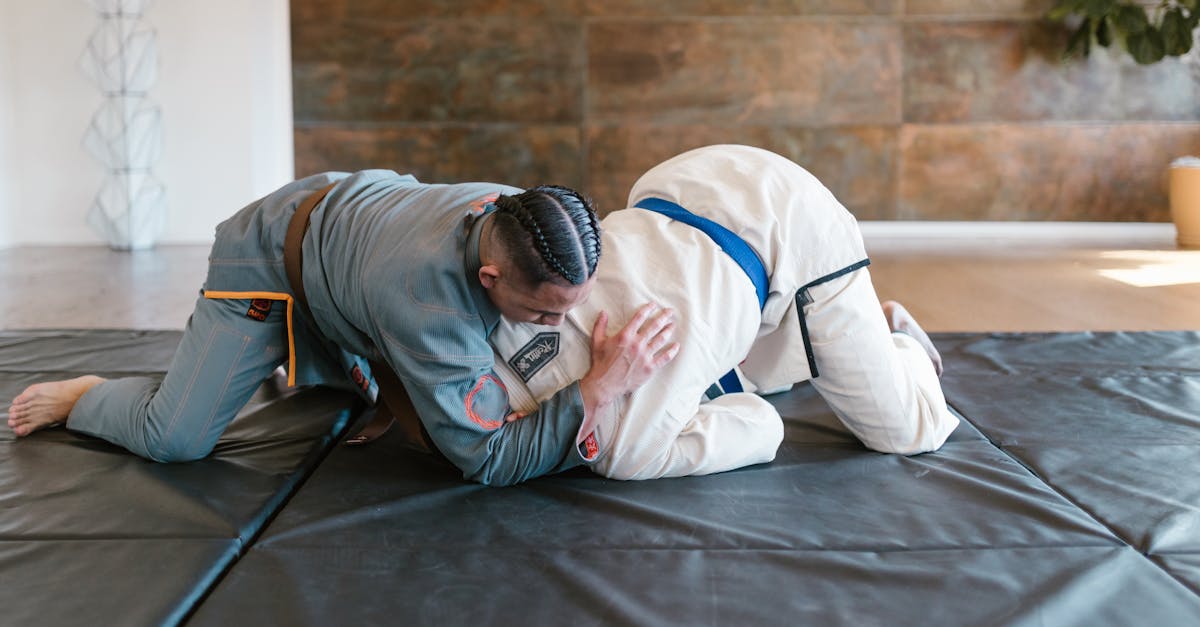
Brazilian jiu jitsu leans on technique and leverage to control and submit opponents. Learning the most effective submissions gives you a solid foundation for both training and competition.
The ten submissions covered in this article include the rear naked choke, armbar, triangle choke, kimura, guillotine, americana, ankle lock, ezekiel choke, bow and arrow choke, and omoplata. These techniques work at every skill level and show up all the time, whether you're in the gym or watching big tournaments.
You'll get a sense of how each submission works and how to move between them. Knowing these core techniques helps you round out your ground game and gives you more options when you're rolling.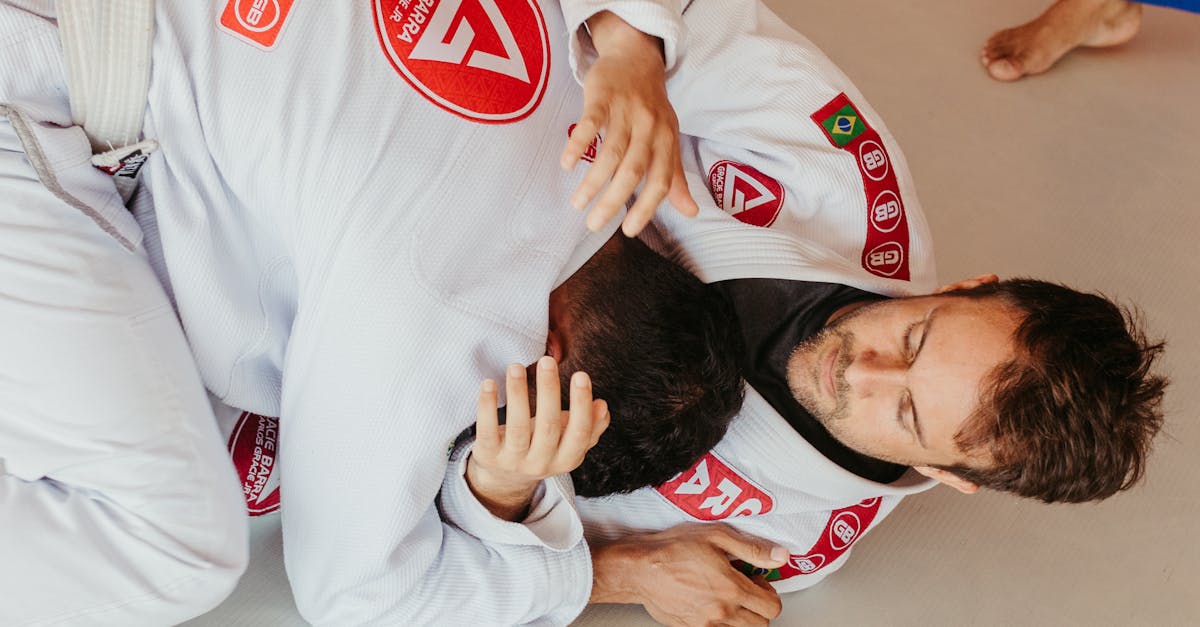
Core Submission Techniques
If you master submissions from closed guard, side control, and some fundamental chokes, you'll have a strong base in Brazilian Jiu Jitsu. These techniques pop up everywhere and form the backbone of most successful attacks.
Closed Guard Attacks
Closed guard puts you on your back with your legs wrapped around your opponent's waist. This position gives you a lot of control and opens up a bunch of submission options.
Triangle Choke is one of the most effective closed guard submissions out there. You trap one arm inside and keep the other arm out, then wrap your legs around their neck and trapped arm. Lock your legs together and squeeze your knees to cut off blood flow to their brain.
Armbar from Guard starts when you control your opponent's arm and shift your hips to the side. Swing one leg over their head, keep the other across their chest, and pull their wrist toward you while lifting your hips to hyperextend their elbow.
Kimura works when you grab your opponent's wrist with one hand and reach under their arm to grab your own wrist. This figure-four grip lets you crank their shoulder by lifting and rotating their arm behind their back.
Side Control Submissions
Side control puts you across your opponent's chest, your weight pinning them down. You get strong control here and can attack with several submissions.
Americana uses a figure-four grip like the Kimura but goes the other way. Pin their wrist to the mat near their head, rotate their forearm toward their head, and keep their elbow at a right angle.
Head and Arm Choke traps your opponent's arm against their own neck. Slide your arm under their head, grab your own bicep, and use your free hand to press behind their head while you squeeze.
Straight Armbar happens when you isolate one of their arms and slide your knee across their face. Fall back, control their wrist, and lift your hips to attack their elbow joint.
Fundamental Chokeholds
Chokes cut off blood flow to the brain by pressing on the carotid arteries. They usually work faster than joint locks and can end a match in seconds.
Rear Naked Choke is probably the most common submission in Brazilian Jiu Jitsu. From behind, slide one arm under their chin with your elbow in front of their throat. Use your other hand behind their head and squeeze your arms together.
Cross Collar Choke uses your opponent's gi against them. Grip deep inside their collar with both hands in an X, pull one elbow up and drive the other down to squeeze both sides of their neck.
Guillotine Choke catches your opponent when they drop their head. Wrap your arm around their neck, put your wrist on the far side of their throat, lock your hands, and arch back to tighten the choke.
Advanced Application and Transitions
If you want to really master submissions, you need to see how techniques connect and flow together. Chaining attacks, moving smoothly between positions, and flipping defense into offense all matter.
Submission Chains
Submission chains work by attacking multiple targets one after another. When your opponent defends one submission, you immediately switch to another without letting go of control.
The armbar-to-triangle-to-omoplata chain is a classic from guard. If your opponent pulls their arm out of an armbar, their posture opens up for a triangle. When they try to stack out of the triangle, you can roll into an omoplata.
Another common chain starts with the guillotine. If your opponent tucks their chin to defend, you can switch to an arm-in guillotine or anaconda choke. You could also move to a D'Arce choke from that same spot.
Keep the pressure on. Don't pause between attacks - your opponent should feel like there's always another threat coming.
Transition Strategies
Smooth transitions depend on keeping your control points as you move. Your grips, hooks, and body position need to stay tight when you're shifting between attacks.
From mount, you can move to an armbar by securing the head and arm, sliding your knee up near their armpit, and swinging your leg over their face while keeping the arm trapped. That stops them from escaping mid-transition.
Back control naturally leads to transitions between the rear naked choke and different arm attacks. If your opponent blocks their neck, grab their defending arm and attack with an armbar from the back.
Let your opponent's reactions guide your transitions. If they push, pull them into something else. If they pull away, follow them into the next attack. Sometimes you just have to feel it out.
Defense to Counter Offense
Defending against submissions can open up chances for your own attacks. When you manage to escape, your opponent might end up off-balance or just a bit too committed.
If someone tries a triangle from guard, you can stack them to defend. While doing this, you might pass their guard and attack with a straight ankle lock, or maybe slide into side control for something else.
When you're stuck in a kimura, you can roll through and flip the position. Suddenly, you're on top and can threaten the kimura right back.
Staying calm during these defensive moments really matters. Keep your eyes open for spaces and grips that appear when your opponent goes all-in on their attack.
Stop Forgetting BJJ Techniques
Get the free 5‑day email course + bonus ebook. Learn the simple journaling system to remember every technique, spot patterns, and fix recurring problems.
Your email will remain private, you may unsubscribe at any time.