How to Remember Jiu Jitsu Techniques: Proven Memory Methods for Faster Skill Retention

Learning jiu jitsu means picking up dozens of techniques, but keeping them all in your head can feel impossible. You drill a move one day and, sure enough, forget it by next week.
This happens to everyone, from white belts to experienced practitioners. There's no shame in it.
The key to remembering jiu jitsu techniques is understanding how movements connect to each other rather than memorizing them as separate steps. Your brain holds onto patterns better than random lists.
When you see how techniques relate to basic positions and principles, they just stick more naturally. It's like connecting the dots instead of staring at a scatterplot.
This guide will show you how your body learns movements and what methods actually work for long-term retention. You'll find practical ways to make techniques part of your natural reactions on the mat.
Understanding Movement Patterns
Learning jiu jitsu gets easier when you recognize that most techniques follow similar movement patterns and principles. Your body moves in predictable ways during grappling.
Understanding these patterns helps you remember techniques faster. It's a bit like learning a language-once you know the grammar, the words come easier.
Breaking Down Techniques Into Steps
Every jiu jitsu technique consists of smaller movements that build on each other. Break a complex move into 3-5 simple steps so your brain can process and store the information better.
Start by identifying the beginning position and the end position of any technique. Then figure out what happens in between.
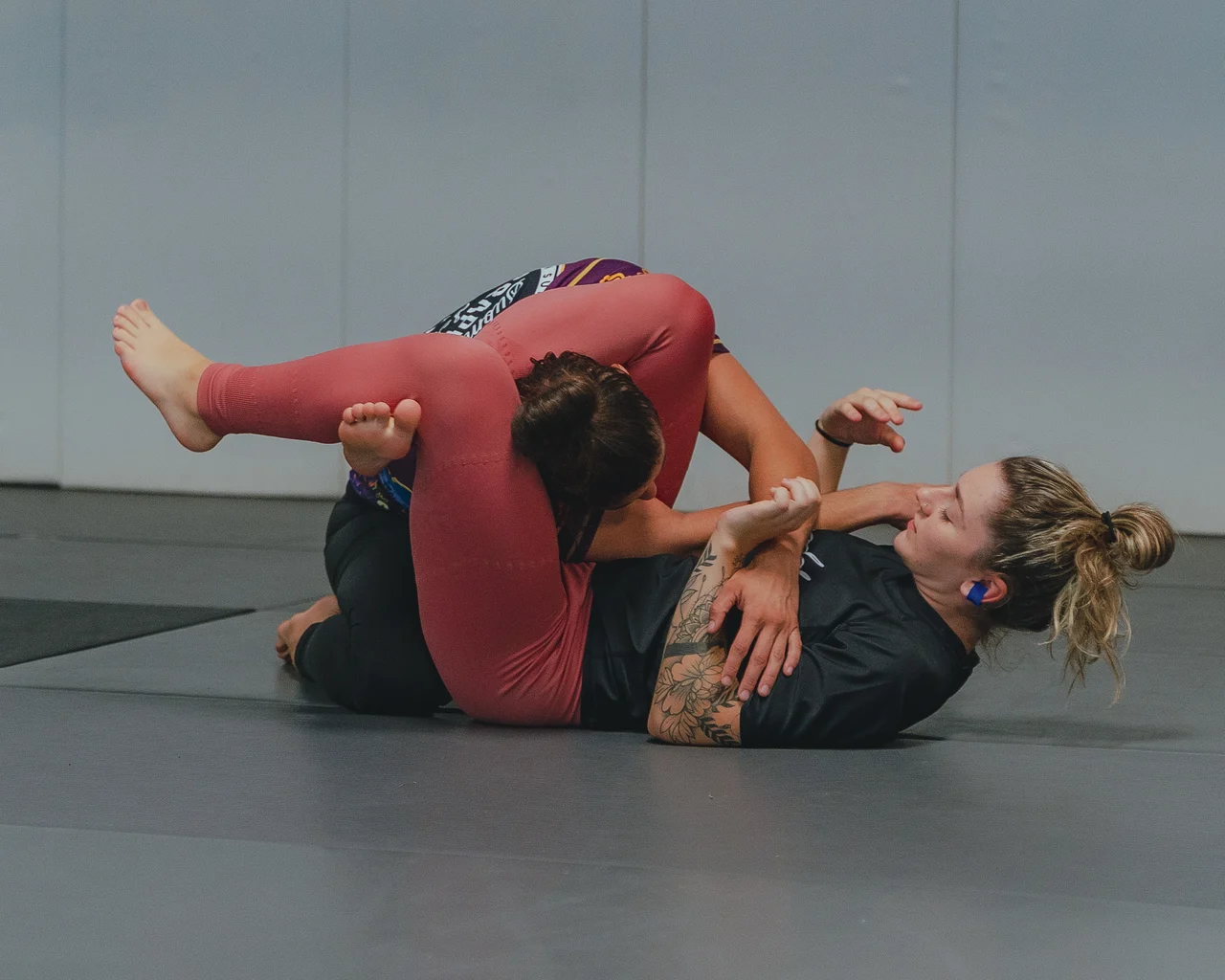
For example, a basic armbar from guard breaks down into: controlling the arm, placing your leg over the head, pivoting your hips, and extending the arm. Write down each step using simple action words.
Focus on one body part at a time instead of trying to remember everything your whole body does at once. Practice each step slowly on its own before putting them together.
Your muscle memory develops faster when you master small chunks first. It's less overwhelming and just feels more doable.
Common Grappling Concepts
Certain concepts repeat across hundreds of techniques in jiu jitsu. When you understand these core ideas, you can remember new moves more easily because they use familiar building blocks.
Basic grappling concepts include:
- Creating and removing frames with your arms
- Using your hips to generate power and escape
- Controlling distance between you and your opponent
- Breaking your opponent's base or posture
- Creating angles to improve your position
Watch for these patterns during training. A hip escape pops up in mount escapes, guard retention, and side control escapes.
Once you recognize the hip movement pattern, you can apply it to multiple situations. It's honestly a relief when you realize you don't have to reinvent the wheel every time.
Importance of Body Mechanics
Your body works like a system of levers and hinges. Techniques succeed when you use proper body mechanics, not just brute strength.
Strong positions in jiu jitsu keep your spine aligned and your joints in safe positions. Weak positions happen when your back rounds or your limbs extend too far.
Pay attention to how your instructor's body looks during demonstrations. Your hips generate most of your power in grappling.
Almost every technique requires you to move your hips in some way. Notice whether you need to lift your hips, turn them, or drive them forward.
Efficient techniques use your whole body working together. When you push with your legs, pull with your arms, and turn with your core at the same time, movements feel easier and you remember them better.
Building Lasting Retention Skills
Your brain needs specific methods to store jiu jitsu techniques in long-term memory. Mental practice, strategic drilling, and tracking your progress create strong neural pathways that make techniques second nature.
Visualization and Mental Rehearsal
Mental rehearsal works by activating the same brain regions used during physical practice. You can review techniques anywhere, no mat or partner needed.
Close your eyes and picture yourself executing a specific move from start to finish. Focus on the details during visualization.
See your hand placements, feel your weight distribution, and notice where your opponent's body is positioned. The more vivid the mental image, the stronger the memory becomes.
Practice visualization before bed or during downtime. Spend 5-10 minutes reviewing three techniques you learned that week.
Walk through each step slowly in your mind, including the setup, execution, and finish. This strengthens the motor patterns without physical fatigue.
Mental rehearsal also helps you spot problems in your technique. If you struggle to visualize a specific part of a move, that's probably the same part you mess up on the mat.
Active Recall and Spaced Repetition
Active recall means testing yourself on techniques rather than just reviewing notes. Quiz yourself on the steps of a submission or sweep without looking at your resources.
This struggle to remember actually strengthens your memory more than passive review. Spaced repetition schedules your practice sessions at specific intervals.
Review a new technique within 24 hours of learning it. Practice it again after 3 days, then after a week, then after a month.
Spaced Repetition Schedule:
- Day 1: Learn the technique
- Day 2: First review
- Day 5: Second review
- Day 12: Third review
- Day 30: Fourth review
Each review session should be shorter than the last as the technique becomes more automatic. It's not about grinding-just smart timing.
Drilling Strategies for Memory
Drill new techniques in short, focused sessions of 5-10 repetitions. Quality matters way more than quantity.
Each repetition should be done with full attention to proper form. Block drilling means repeating one technique multiple times in a row.
Use this method when first learning a move. Once you can perform it smoothly, switch to random drilling.
Random drilling mixes different techniques together. Your partner calls out which move to perform, or you alternate between three techniques.
This builds stronger recall because your brain must actively retrieve the correct pattern each time. Partner with someone at your skill level for drilling.
Trade roles so you experience both sides of the technique. The person being submitted or swept learns just as much about body positioning and defense.
Using Journals and Training Logs
A training journal captures details you'll forget in just a few days. Jot down techniques right after class while everything's still clear in your head.
Include the name, main steps, and any tips your instructor threw your way. Don't overthink it-just get the essentials down.
Draw stick figures to show positions. You don't have to be an artist; even a lopsided oval gets the point across.
Basic shapes showing body placement stick in your mind better than a wall of text. Sometimes, a quick sketch says more than a paragraph ever could.
Track which techniques you drilled and when you practiced them. Make a note of any problems you hit or questions that left you scratching your head.
Use your phone to take quick video notes of yourself drilling after class. Even a 30-second clip can show details that written notes just can't capture.
Watching these videos before your next session gives your memory a jump start. Why not give it a try and see if it helps?
Stop Forgetting BJJ Techniques
Get the free 5‑day email course + bonus ebook. Learn the simple journaling system to remember every technique, spot patterns, and fix recurring problems.
Your email will remain private, you may unsubscribe at any time.