BJJ Training Log: Essential Guide to Tracking Your Progress
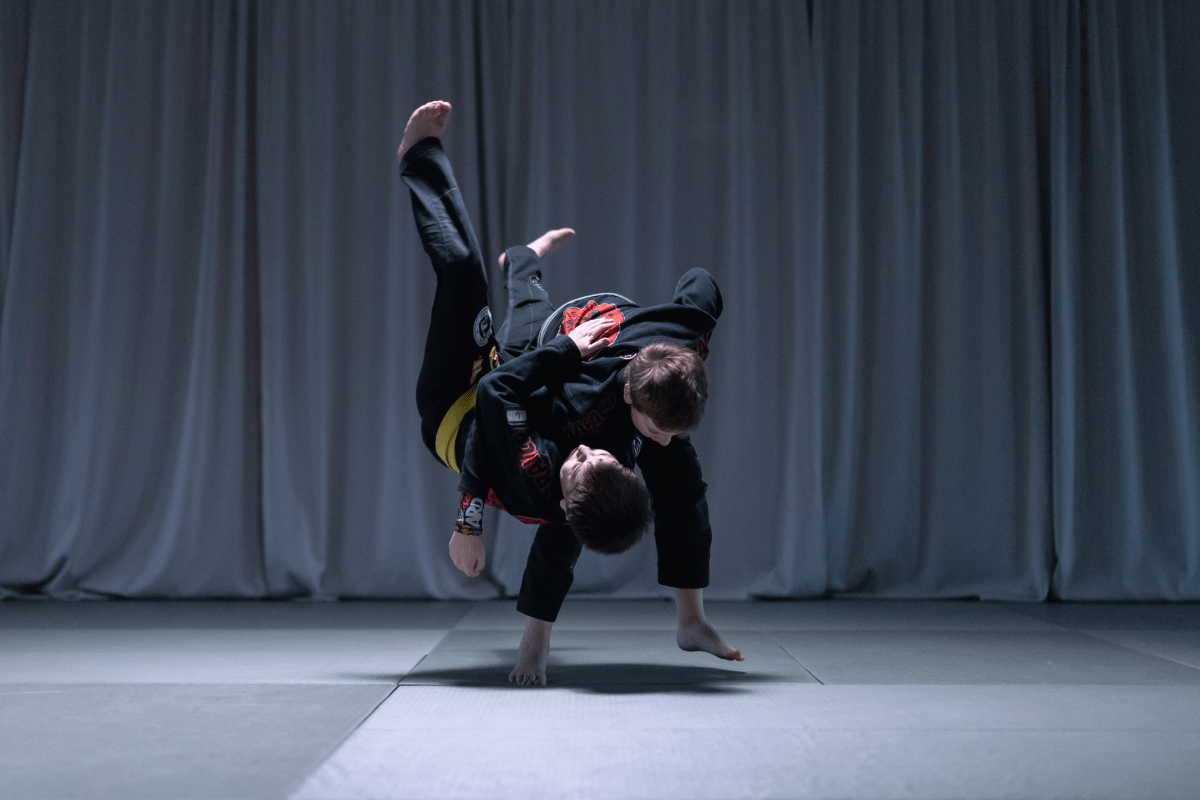
Every serious Brazilian Jiu-Jitsu practitioner knows the frustration of forgetting a technique they learned weeks ago or struggling to identify patterns in their training. A BJJ training log tracks your techniques, rolling sessions, and progress to accelerate your learning and help you identify strengths and weaknesses in your game. This simple practice transforms random training sessions into structured learning experiences.
Your training log becomes a powerful tool for analyzing your grappling journey over time. You can track submission attempts, defensive weaknesses, and technical improvements that might otherwise go unnoticed. The data you collect reveals patterns in your performance and guides your focus during future training sessions.
Whether you prefer a simple notebook, an app, or detailed spreadsheet, maintaining a consistent training log will elevate your BJJ practice. You'll discover which techniques work best for your body type, identify recurring problems in your game, and create a roadmap for continued improvement on the mats.
Essentials of a BJJ Training Log
A well-designed BJJ training log requires clear entry structures, consistent progress tracking methods, and regular goal assessment practices. These three elements form the foundation for documenting your Brazilian jiu-jitsu development effectively.
Structuring Effective Entries
Like any regular journal, date and session details should appear at the top of each entry. Record the training date, duration, instructor name, and class type.
Include a techniques section that documents specific moves covered during class. Write down the technique name, starting position, and key steps. Note any variations or details your instructor emphasized.
Rolling notes capture your sparring experiences. Record who you rolled with, positions you worked from, and submissions attempted or received. Document what worked well, and what didn't work well. You can also write down some ideas on what you can do to fix those issues or notes to yourself for later.
Add a reflection component at the end of each entry. Write 2-3 sentences about your overall performance, energy level, or specific insights gained.
Create consistent formatting using bullet points or numbered lists. This makes entries easier to review and reference later in your BJJ journey.
Tracking Progress and Milestones
Skill progression markers help you measure improvement over time. Track successful execution of new techniques, escapes from difficult positions, or submissions landed during rolling.
Document belt promotions and stripe awards with specific dates. Include notes about what skills or knowledge led to the promotion.
Training frequency metrics show your commitment level. Count classes attended per week, total mat hours, or consecutive training days.
Monitor competition results if applicable to your BJJ journey. Record tournament outcomes, weight classes, and specific performance observations.
Use monthly or quarterly reviews to identify patterns in your training. Look for consistent weaknesses, improving strengths, or techniques that need more practice.
Pro tip: before your next session, review your last session so that you can come into training where you left off last time in what you were working on.
Setting and Reviewing Training Goals
Short-term goals focus on immediate skill development. Set weekly or monthly targets like mastering a specific guard pass or improving cardio endurance.
Long-term objectives guide your overall Brazilian jiu-jitsu development. These might include earning your next belt, competing in tournaments, or developing expertise in certain positions.
SMART goal criteria make objectives more achievable. Ensure goals are Specific, Measurable, Achievable, Relevant, and Time-bound.
Review goals every 4-6 weeks to assess progress and make adjustments. Update targets based on your evolving skills and interests in BJJ.
Write action steps for each goal you set. Break larger objectives into smaller, manageable tasks you can work on during regular training sessions.
Optimizing Your BJJ Training Log for Success
Effective logging requires strategic documentation of technical details, systematic analysis of your progress patterns, and choosing the right recording method. These elements work together to accelerate your Brazilian jiu-jitsu development and provide clear insights into your training evolution.
Incorporating Technique Details
Recording specific technique information transforms your training log from basic attendance tracking into a powerful learning tool. You should document the exact mechanics of new moves, including grip positions, foot placement, and timing sequences.
Write down the technique name and its variations immediately after class. Include the setup conditions that make the technique most effective. Note which training partners you practiced with and their skill levels.
Key details to capture:
- Starting position and grips
- Step-by-step execution
- Common mistakes you made
- Successful applications during rolling
- Instructor corrections or tips
Document your struggles with specific techniques honestly. Recording failed attempts helps identify patterns in your learning process. This detailed approach accelerates your BJJ journey by creating a reference library of your technical knowledge.
Analyzing Performance Trends
Regular analysis of your training data reveals improvement patterns and identifies areas needing attention. Review your logs weekly to spot recurring themes in your submissions, escapes, and positional play.
Track your training frequency and correlate it with skill development periods. Notice which techniques you use most successfully during sparring sessions. Identify positions where you consistently struggle or excel.
Create simple tracking methods for key metrics:
Metric Weekly Goal Monthly Review
Training sessions 3-4 classes Consistency check
New techniques learned 2-3 moves Retention assessment
Successful submissions Variable Effectiveness analysis
Look for connections between your training focus and rolling performance. This analysis helps you allocate practice time more effectively and accelerates your Brazilian jiu-jitsu progression.
Utilizing Digital and Physical Journals
Choose between digital apps and physical notebooks based on your training habits and technology preferences. Digital platforms offer searchable records and progress tracking features. Physical journals provide immediate accessibility without device dependence.
Digital solutions excel at organizing large amounts of data. Many BJJ-specific apps include technique libraries and progress analytics. You can quickly search past entries and identify patterns across months of training.
Physical notebooks work well for immediate post-training documentation. You can sketch positions and write detailed notes without battery concerns. Many practitioners prefer handwriting for better retention of technical concepts.
Digital advantages: Searchable content, automatic backups, progress charts, technique databases
Physical advantages: No technology barriers, immediate accessibility, better for sketching, tactile learning benefits
Consider using both methods strategically. Record quick notes on your phone during class, then transfer detailed analysis to a physical journal later.
Stop Forgetting BJJ Techniques
Get the free 5‑day email course + bonus ebook. Learn the simple journaling system to remember every technique, spot patterns, and fix recurring problems.
Your email will remain private, you may unsubscribe at any time.